
Seasonal Lawn Care Tips for Georgia Homeowners
Maintaining a healthy, vibrant lawn in Georgia requires understanding the unique challenges our climate presents. From the heat and humidity of summer to the mild winters, each season brings specific needs for your turf.
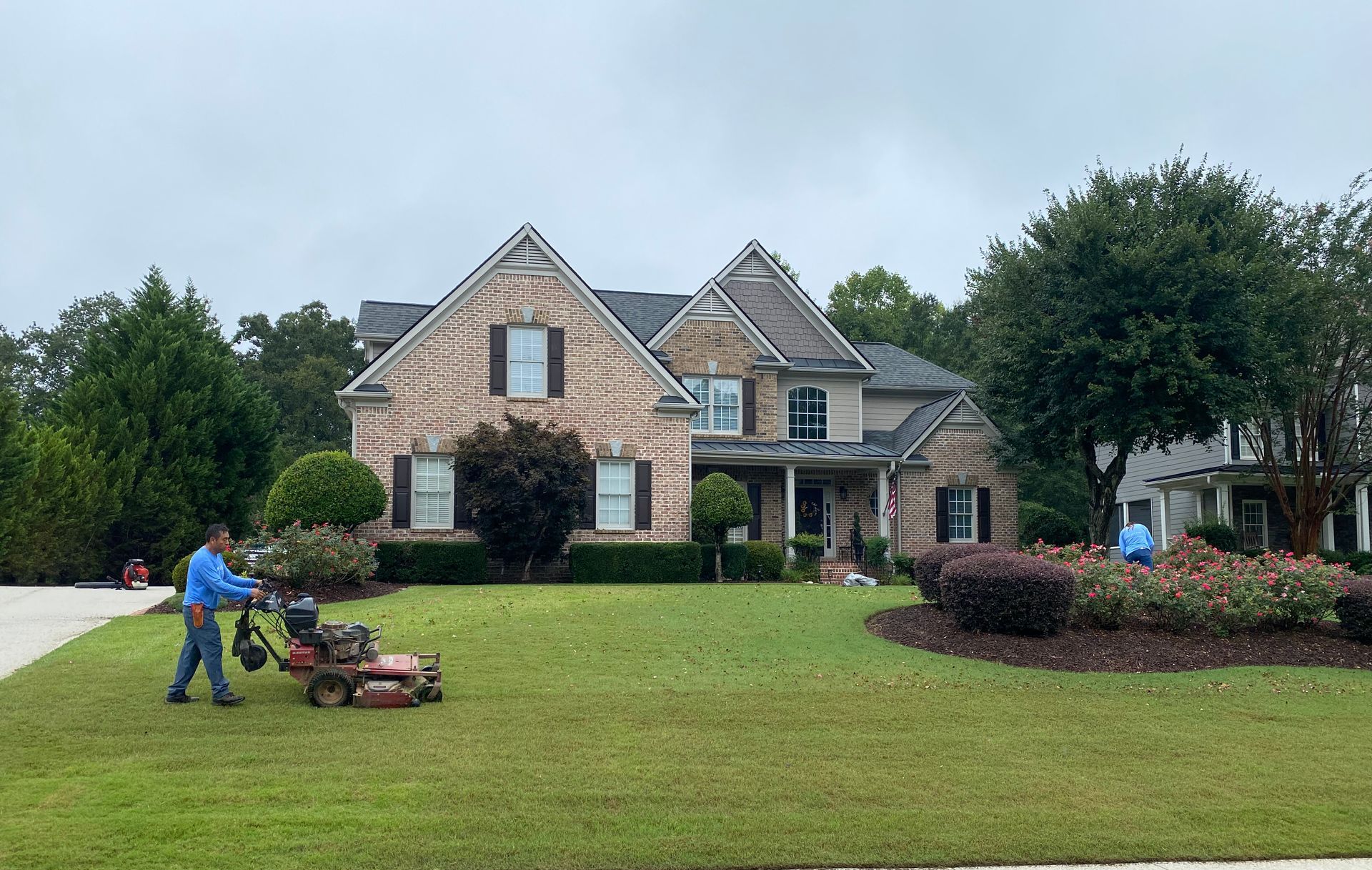
Georgia's warm, humid climate is ideal for warm-season grasses like Bermuda and Zoysia, but it also means battling heat stress, pests, diseases, and weeds throughout the year. Whether you're in Cumming, Alpharetta, or anywhere across North Georgia, understanding how to care for your lawn season by season is the key to achieving consistent curb appeal and long-term turf health. At Barnett Landscape Services, we've spent years helping homeowners keep their lawns looking their best — and we're here to share the strategies that work.
Understanding Georgia's Unique Lawn Care Demands
Georgia sits in a transition zone that favors warm-season grasses — varieties that thrive in hot summers and go dormant during cooler months. Bermuda grass and Zoysia are the most common choices for residential lawns in our area due to their drought tolerance, resilience, and ability to handle heavy foot traffic.
However, our climate also creates ideal conditions for weeds like crabgrass and nutsedge, as well as lawn diseases such as brown patch and dollar spot. Add in Georgia's red clay soil — which can be compacted, poorly draining, and nutrient-deficient — and it becomes clear why a one-size-fits-all approach to lawn care doesn't work here.
Success comes from understanding what your lawn needs at each stage of the year and adjusting your care routine accordingly.
Preparing Your Lawn for Spring Growth
Spring is when your warm-season grass begins to wake up from winter dormancy. This is the time to set the foundation for healthy growth throughout the rest of the year.
Clean Up Debris
Start by removing leaves, sticks, and any winter debris that may have accumulated. Leftover organic matter can smother new growth and create pockets where moisture sits, encouraging disease.
Aerate Compacted Soil
Georgia's clay soil compacts easily, restricting root growth and water penetration. Core aeration creates small holes in the turf, allowing air, water, and nutrients to reach the root zone more effectively. Early to mid-spring is an ideal time for this, especially if your lawn sees a lot of foot traffic.
Test Your Soil
A soil test will reveal pH levels and nutrient deficiencies, helping you make informed decisions about fertilization and amendments. Georgia's acidic soil often benefits from lime applications to raise pH and improve nutrient availability.
Managing Fertilization Without Overfeeding
Fertilizing at the right time and in the right amounts is critical. Apply too early, and you may encourage top growth before the root system is strong enough to support it. Apply too much, and you risk burning the grass or promoting excessive growth that requires constant mowing.
For Bermuda and Zoysia lawns, wait until soil temperatures consistently reach 65°F before applying your first fertilizer — typically late April or early May in North Georgia. Use a slow-release nitrogen fertilizer to feed your lawn gradually over several weeks, promoting steady, healthy growth without overwhelming the turf.
Plan for additional feedings in late spring and summer, but always follow soil test recommendations to avoid nutrient imbalances.
Keeping Weeds Under Control Before Summer
Spring is prime time for weed germination, especially crabgrass. A pre-emergent herbicide applied in early spring (before soil temperatures hit 55°F) can prevent many summer weeds from ever taking root.
For broadleaf weeds like dandelions and clover, post-emergent herbicides can be applied once weeds are actively growing. Spot-treating problem areas is often more effective and environmentally friendly than blanket applications across the entire lawn.
The best defense against weeds, however, is a thick, healthy lawn. Proper mowing, watering, and fertilization all contribute to turf density that naturally crowds out unwanted plants.
Adjusting Mowing Practices for Heat Stress
As temperatures climb into the 80s and 90s, your mowing strategy needs to change. Cutting grass too short during hot weather stresses the plant, reduces its ability to photosynthesize, and makes it more vulnerable to drought and disease.
For Bermuda grass, maintain a mowing height of 1 to 1.5 inches during peak growing season. Zoysia performs best when kept between 1.5 and 2.5 inches. Never remove more than one-third of the grass blade in a single mowing — doing so shocks the plant and weakens the root system.
Keep your mower blades sharp to ensure clean cuts. Dull blades tear the grass, leaving ragged edges that turn brown and increase susceptibility to pests and disease.
Watering Smartly During Georgia Summers
Georgia summers are hot and often dry, but overwatering can be just as harmful as underwatering. The goal is to water deeply and infrequently, encouraging roots to grow deeper into the soil where moisture is more stable.
Most warm-season grasses need about 1 to 1.5 inches of water per week, including rainfall. Water early in the morning to reduce evaporation and give grass blades time to dry before evening — wet grass overnight invites fungal diseases.
If your lawn shows signs of drought stress — such as a bluish-gray tint or footprints that remain visible after walking — it's time to water. Installing an irrigation system with smart controllers can take the guesswork out of watering and ensure your lawn gets exactly what it needs.
Preventing and Identifying Lawn Diseases
Georgia's humid climate creates the perfect environment for lawn diseases like brown patch, dollar spot, and gray leaf spot. These fungal infections thrive in warm, moist conditions and can quickly spread across your turf if not addressed.
Brown Patch
Common in late spring and early fall, brown patch appears as circular patches of brown, wilted grass. Improve air circulation by aerating, avoid overwatering, and apply fungicides if necessary.
Dollar Spot
Small, silver-dollar-sized spots indicate this disease, often caused by low nitrogen levels and excessive moisture. Regular fertilization and proper watering can help prevent it.
Gray Leaf Spot
This disease affects perennial ryegrass and tall fescue, creating gray lesions on grass blades. Reducing irrigation frequency and improving drainage can minimize its impact.
Early detection is key. If you notice unusual discoloration or patterns in your lawn, contact a professional to diagnose the issue before it spreads.
Strengthening Lawns Against Pests
Grubs, armyworms, and chinch bugs are common lawn pests in Georgia. These insects feed on grass roots and blades, causing patches of dead or dying turf that can quickly expand if left untreated.
White grubs are particularly damaging in late summer and early fall. They live below the surface, feeding on roots and making grass easy to pull up in sections. Applying a preventative insecticide in late spring or early summer can stop grubs before they cause serious damage.
Armyworms and chinch bugs are surface feeders that thrive in hot, dry conditions. If you notice irregular brown patches or see small insects near the soil line, treat the affected areas promptly with targeted insecticides.
Maintaining a healthy lawn through proper mowing, watering, and fertilization also makes your turf less attractive to pests and more resilient if an infestation occurs.
Preparing for Fall Recovery and Growth
Fall is one of the best times to invest in your lawn's health. As temperatures cool and rainfall increases, warm-season grasses experience a second growth spurt before going dormant for winter.
This is an ideal time to overseed thin areas, aerate compacted soil, and apply a final round of fertilizer to strengthen roots before the cold sets in. A fall fertilizer with higher potassium content helps improve cold tolerance and disease resistance.
Continue mowing as needed, but gradually raise your mower height as growth slows. This helps the grass retain more leaf surface for photosynthesis and provides better insulation for roots during winter.
Managing Leaves Without Smothering Grass
Falling leaves are a beautiful part of autumn, but leaving them on your lawn too long can block sunlight and trap moisture, leading to dead spots and disease.
Rather than raking constantly, consider mulching leaves with your mower. This shreds them into small pieces that decompose quickly, adding organic matter back into the soil. Just make sure the leaf layer isn't so thick that it smothers the grass underneath.
For heavy leaf coverage, especially under large oak or maple trees, periodic raking or blowing is necessary to keep the lawn clear and healthy.
Protecting Lawns During Mild Georgia Winters
Georgia winters are generally mild, but occasional freezes and temperature fluctuations can still stress your lawn. Warm-season grasses like Bermuda and Zoysia go dormant and turn brown, which is completely normal and doesn't indicate poor health.
Avoid walking on frozen grass, as this can damage the dormant blades and create compaction issues. If you're concerned about aesthetics, some homeowners choose to overseed with annual ryegrass in the fall for temporary winter color, though this requires additional maintenance.
Winter is also a good time to service your lawn equipment, sharpen mower blades, and plan for the upcoming growing season.
Improving Soil Health Year-Round
Healthy soil is the foundation of a healthy lawn. Georgia's clay soil can be challenging to work with, but regular aeration, organic amendments, and pH adjustments make a significant difference over time.
Adding compost or organic matter helps improve soil structure, drainage, and nutrient retention. Lime applications, based on soil test results, can correct acidity and make nutrients more available to grass roots.
Investing in soil health pays off in the form of deeper roots, better drought tolerance, and reduced need for fertilizers and pesticides.
Enhancing Curb Appeal Through Consistency
A well-maintained lawn doesn't just look good — it enhances your home's curb appeal and property value. Consistent care throughout the year prevents small problems from becoming major issues and keeps your turf looking green and healthy.
Whether you're preparing to sell your home or simply want to enjoy a beautiful outdoor space, investing time and effort into seasonal lawn care makes a noticeable difference.
Why Professional Lawn Care Makes a Difference
Lawn care can be time-consuming and complex, especially when you're juggling work, family, and other responsibilities. Professional lawn care services take the guesswork out of maintenance and ensure your turf gets exactly what it needs, when it needs it.
Experienced professionals understand Georgia's unique climate challenges, know how to diagnose and treat lawn diseases and pests, and have access to commercial-grade products that aren't available to homeowners. They also have the equipment and expertise to handle tasks like aeration, overseeding, and soil testing efficiently and effectively.
Working with a professional service means you can enjoy a beautiful lawn without the stress of maintaining it yourself.
Partnering With Barnett Landscape Services for Year-Round Success
At Barnett Landscape Services, we understand that every lawn is different — and we tailor our approach to meet the specific needs of your property. Whether you need help with seasonal fertilization, weed control, aeration, or ongoing maintenance, our team has the knowledge and experience to keep your lawn healthy and vibrant all year long.
We serve homeowners throughout Cumming, Alpharetta, and North Georgia, delivering reliable, professional lawn care that you can count on. From spring green-up to winter preparation, we're here to handle the details so you can enjoy your outdoor space without the hassle.