
The Benefits of Using Native Plants in North Atlanta Landscapes
When most people picture a beautiful landscape, they imagine vibrant flowers, lush greenery, and plants that bring color and life to their yard. But what many homeowners don't realize is that the key to creating a truly sustainable, long-lasting landscape often lies in going back to nature itself.
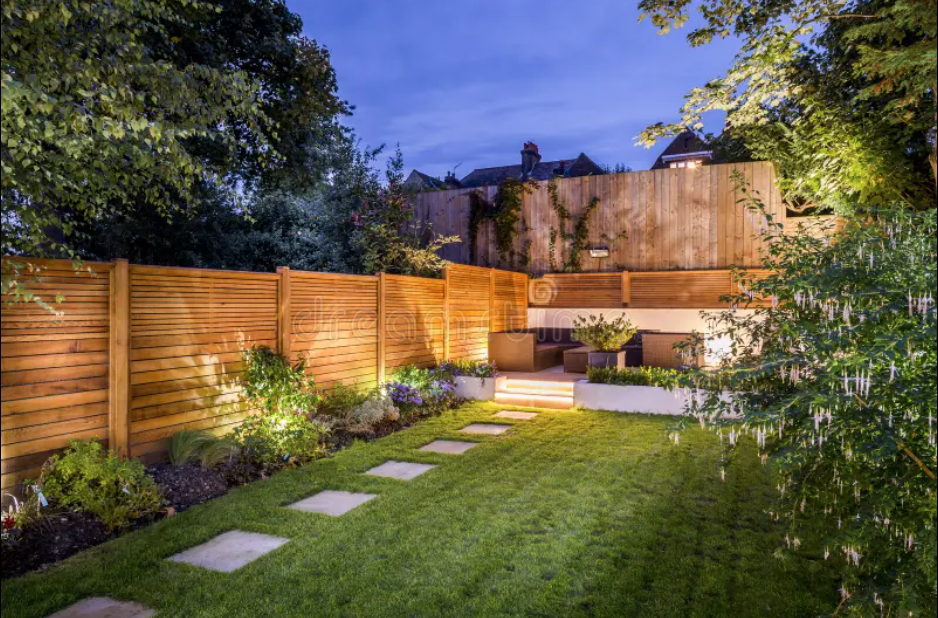
Native plants — those that naturally occur and thrive in Georgia's climate — have evolved for centuries to handle our weather, soil, and ecosystem. They stand strong through dry summers, unpredictable rainfall, and even the occasional frost, all while requiring far less maintenance than non-native species. At Barnett Landscape Services, we've seen firsthand how incorporating native plants into North Atlanta landscapes creates yards that aren't just beautiful, but resilient, balanced, and unmistakably Georgia. It's a way to bring the state's natural charm right to your front yard — and it's one of the smartest choices a homeowner can make.
Low-Maintenance Beauty That Thrives
One of the most practical benefits of using native plants is how little effort they demand once established. Unlike imported or exotic species that need constant attention to survive, native plants are already adapted to Georgia's unique conditions — from the dense red clay soil to the humid summer heat. They know how to handle what our weather throws at them.
That means less watering, fewer soil amendments, and reduced need for pesticides or fertilizers. For busy homeowners, this is a game changer. You get a thriving, healthy landscape without spending every weekend maintaining it.
Great Low-Maintenance Plants for Forsyth County Yards
- •Georgia Aster — A late-blooming purple wildflower that thrives in sunlight
- •Switchgrass — A tall ornamental grass that adds graceful texture
- •Black-Eyed Susan — Bright yellow blooms that return year after year
These species don't just survive here — they flourish with minimal effort, keeping your landscape vibrant while giving you back your time.
Supporting Local Wildlife and Ecosystems
Beyond their toughness, native plants play a crucial role in supporting the local environment. Every flower, shrub, and tree that's native to our area has a relationship with native wildlife — from the bees and butterflies that pollinate them to the birds that rely on their seeds and shelter.
When we design eco-friendly landscaping in Cumming, GA, we're not just creating something that looks great; we're helping to maintain an ecosystem that benefits everyone. A yard filled with native plants provides critical food sources for pollinators and other beneficial insects that keep your garden balanced and healthy.
Monarch butterflies, for example, depend on milkweed, while local bee populations thrive on plants like coneflowers and bee balm. These aren't just pretty details — they're essential connections that keep our landscapes alive and self-sustaining. When you choose native plants, you're doing more than improving your curb appeal — you're giving back to the local environment.
Sustainability That Saves Money
Sustainability also extends to your water bill and maintenance budget. Because native plants are already adapted to Georgia's rainfall patterns, they require significantly less irrigation once they've rooted. That means fewer hours running sprinklers and less strain on your irrigation system.
Similarly, native species rarely need the constant feeding or chemical treatments that many imported plants demand. The result is a landscape that not only looks natural but saves money over time — all while reducing your environmental footprint.
Homeowners who are moving toward sustainable landscaping in Cumming, GA, often notice the difference within just one growing season: fewer brown patches, fewer weeds, and a healthier, more self-regulating yard. A properly designed native landscape works in harmony with the land, balancing beauty and practicality in a way that feels effortless.
Our Design Approach: Elegant and Intentional
At Barnett Landscape Services, we specialize in blending native plants into landscape designs that feel intentional and elegant — not wild or overgrown. A native landscape doesn't mean you have to give up structure or color; it simply means choosing plants that work with your property's natural rhythms.
Design Examples We Use
- •Combining native grasses like little bluestem with flowering perennials such as coreopsis and purple coneflower to create a soft, layered look that blooms from spring through fall
- •Shade-tolerant natives like Christmas fern and wild ginger for wooded areas or beneath trees, where turfgrass struggles to grow
- •Balancing textures and heights to create dynamic garden beds that look beautiful up close and from the street
- •Lining stone walkways with flowering natives to create cohesion between hardscaping and natural spaces
These designs celebrate Georgia's biodiversity while fitting seamlessly into modern residential styles.
An Investment in Your Property's Future
Choosing native plants isn't just a design decision; it's an investment in the health, longevity, and sustainability of your property. These plants are part of Georgia's identity — strong, adaptable, and full of character. By planting them, you're creating a landscape that reflects where you live and helps preserve the natural balance of the region.
Whether your goal is a low-maintenance garden, a pollinator-friendly retreat, or simply a yard that thrives with less effort, native landscaping delivers all three. At Barnett Landscape Services, we believe the best landscapes are the ones that work with nature, not against it. And here in North Atlanta, that starts with planting the species that have called Georgia home all along.